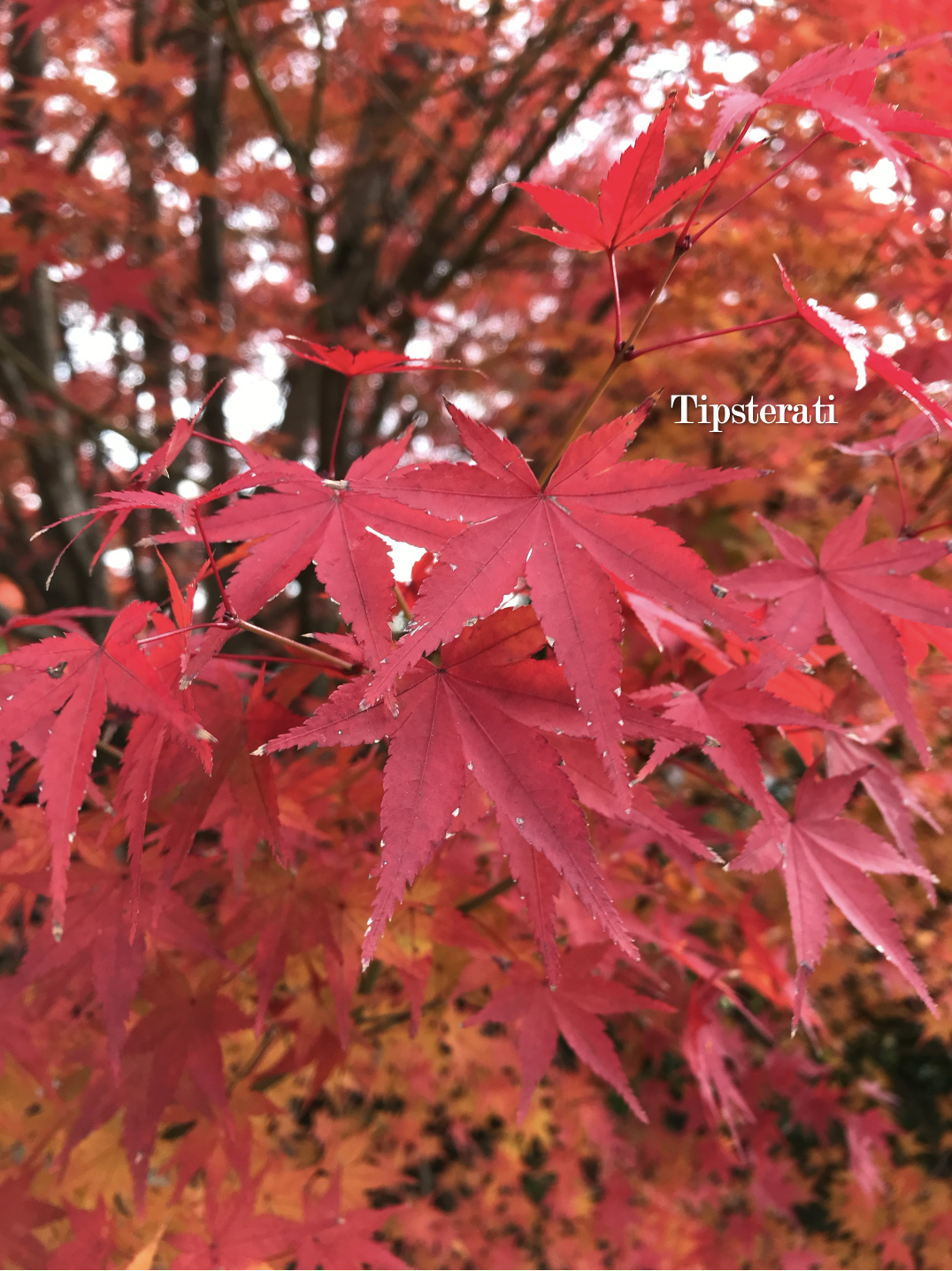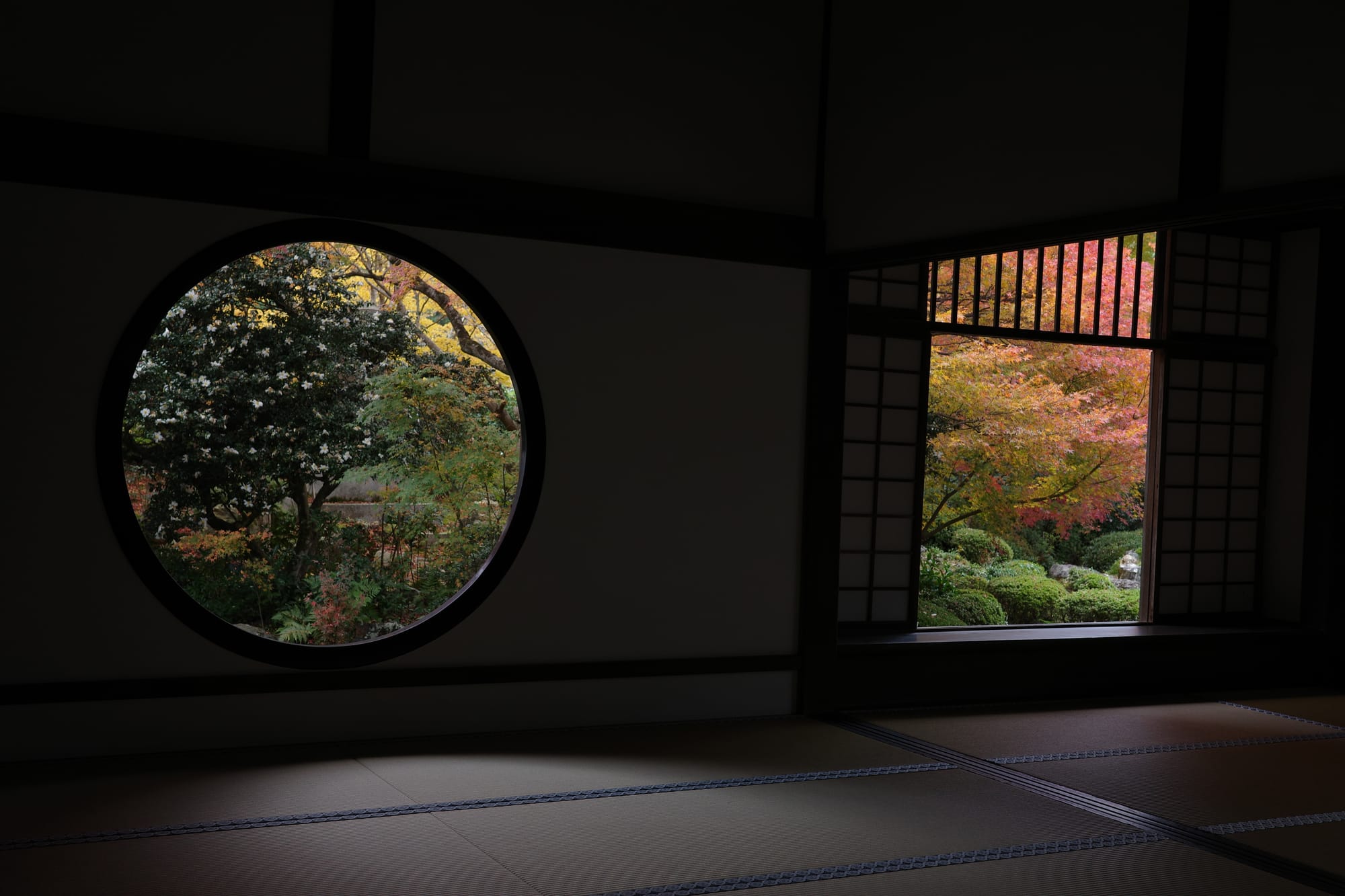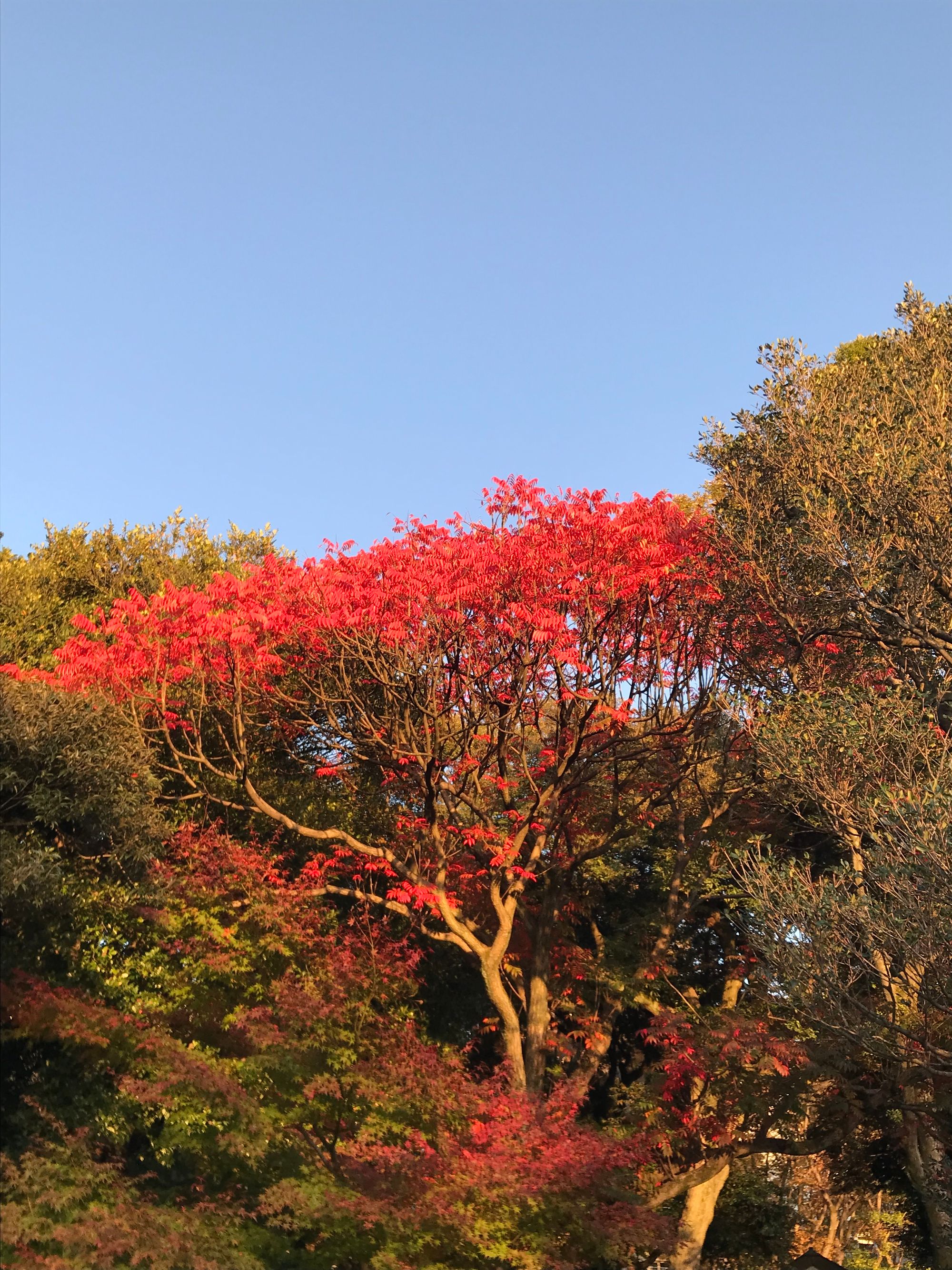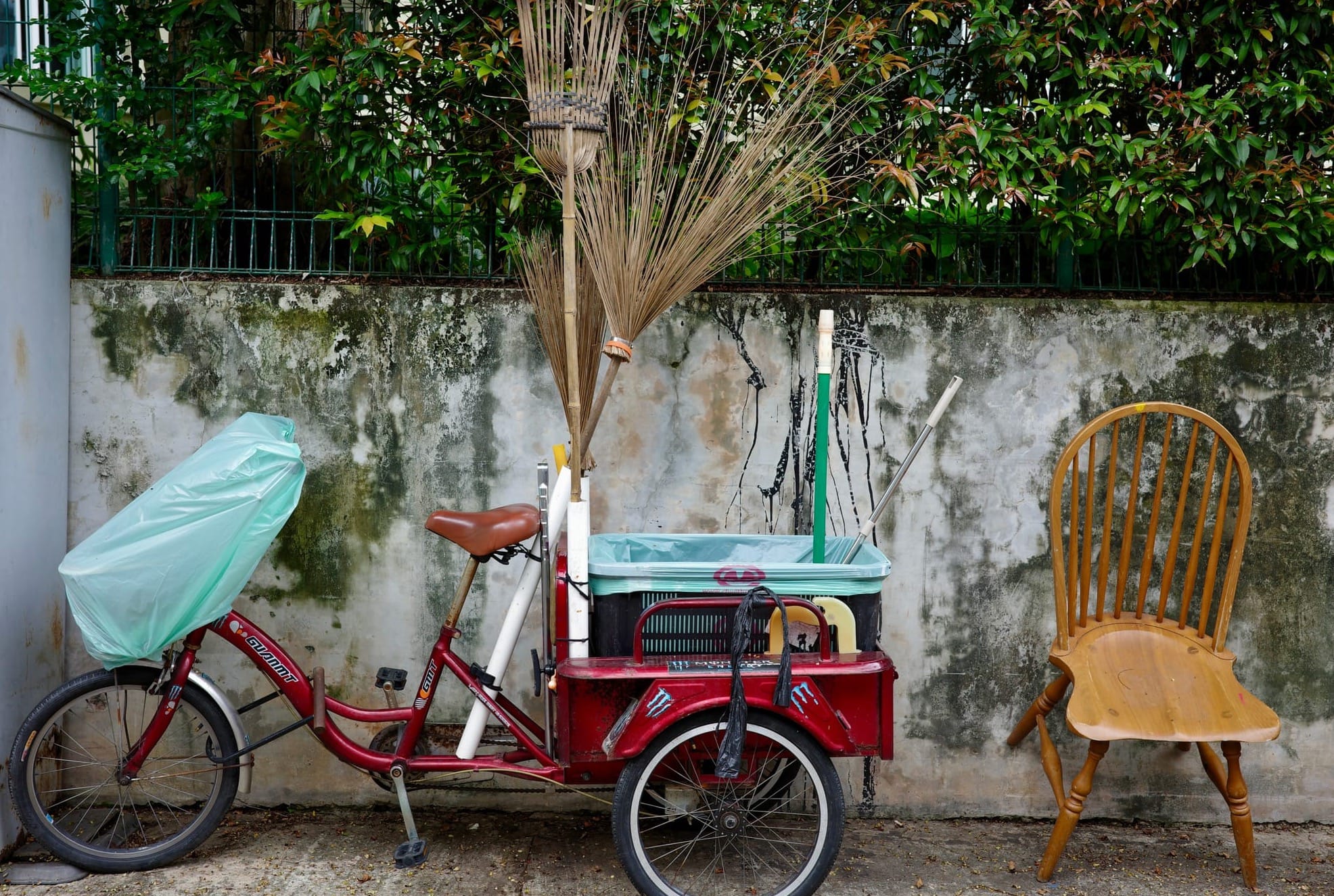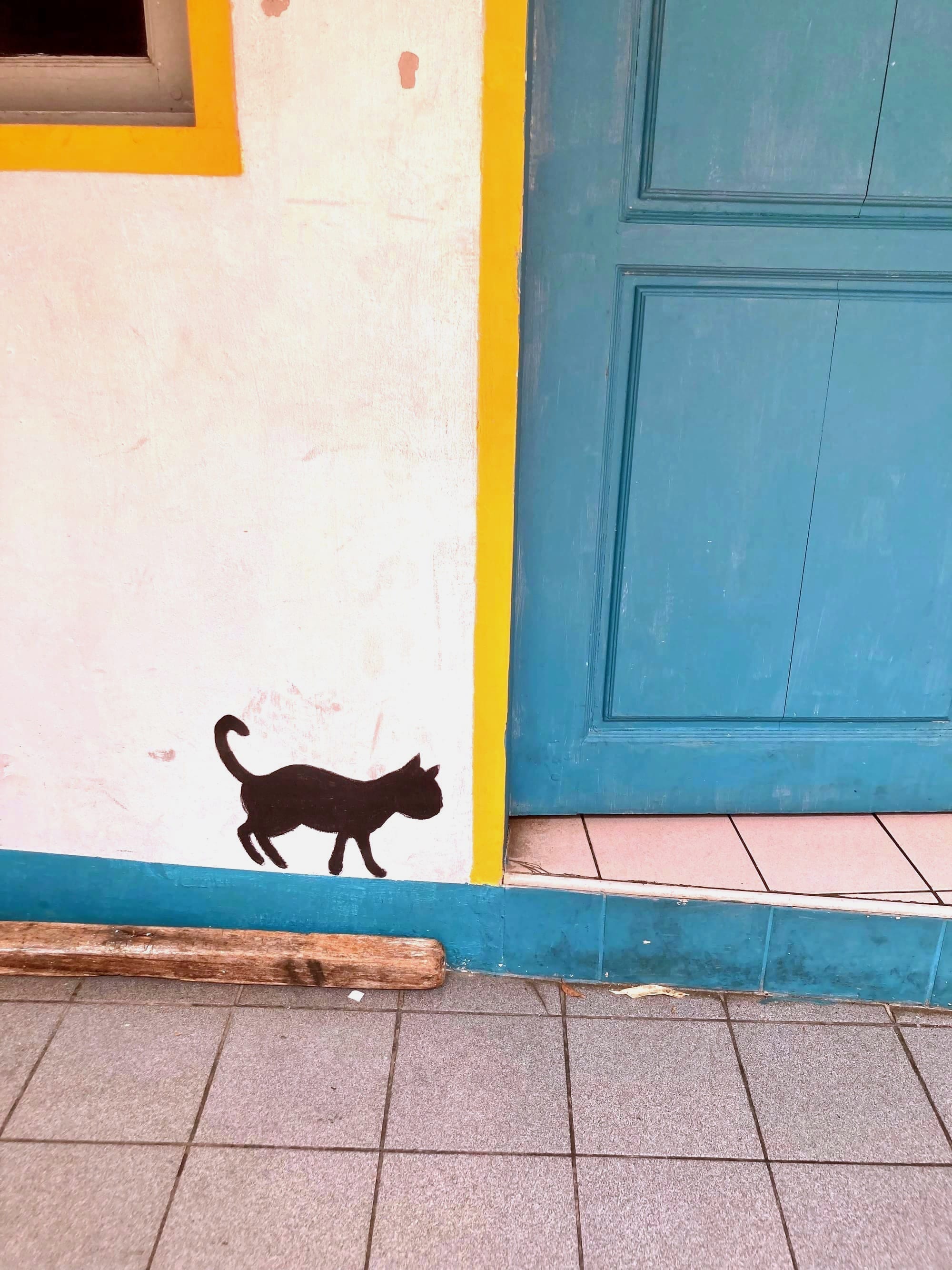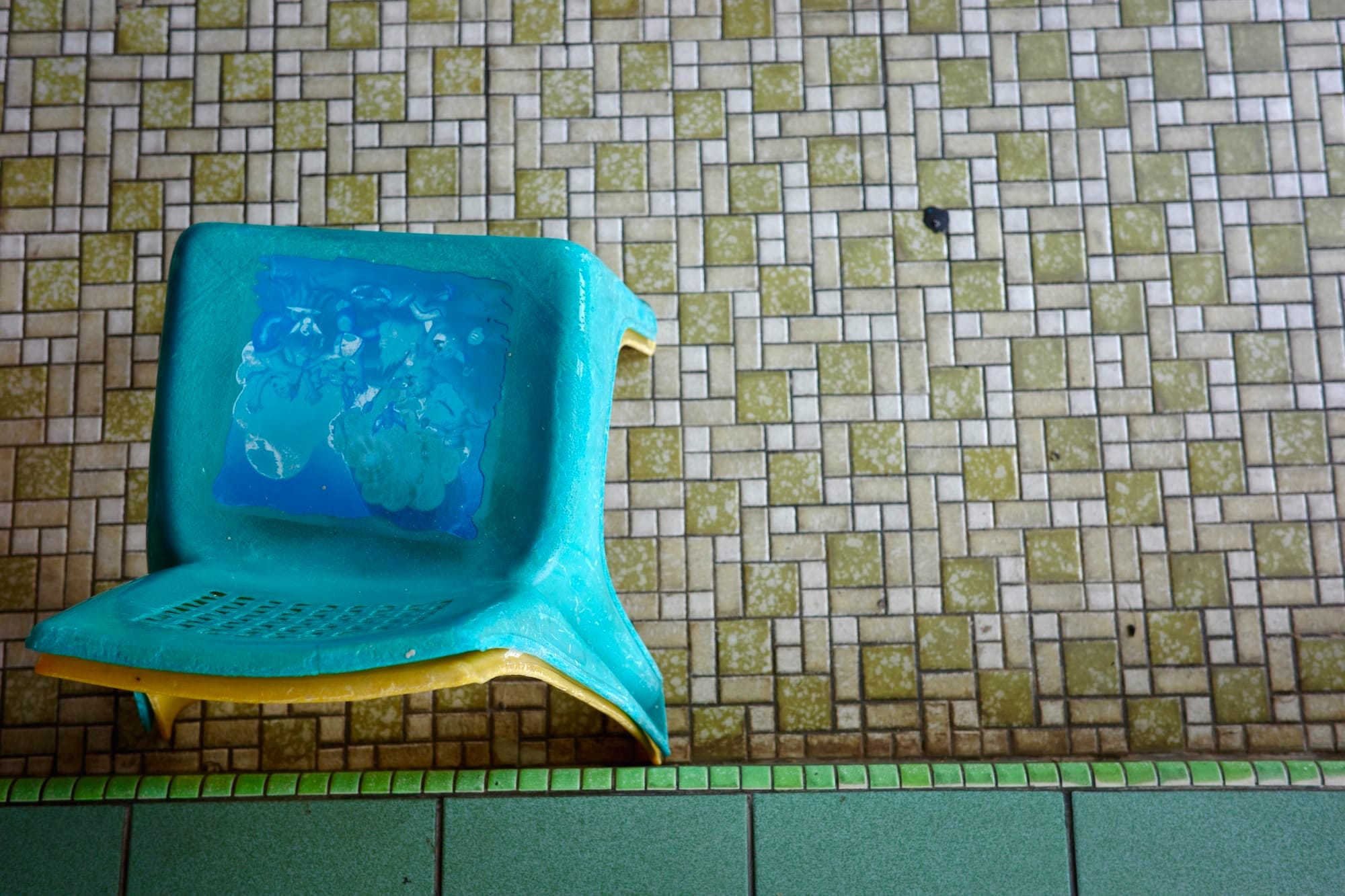
Enchantment
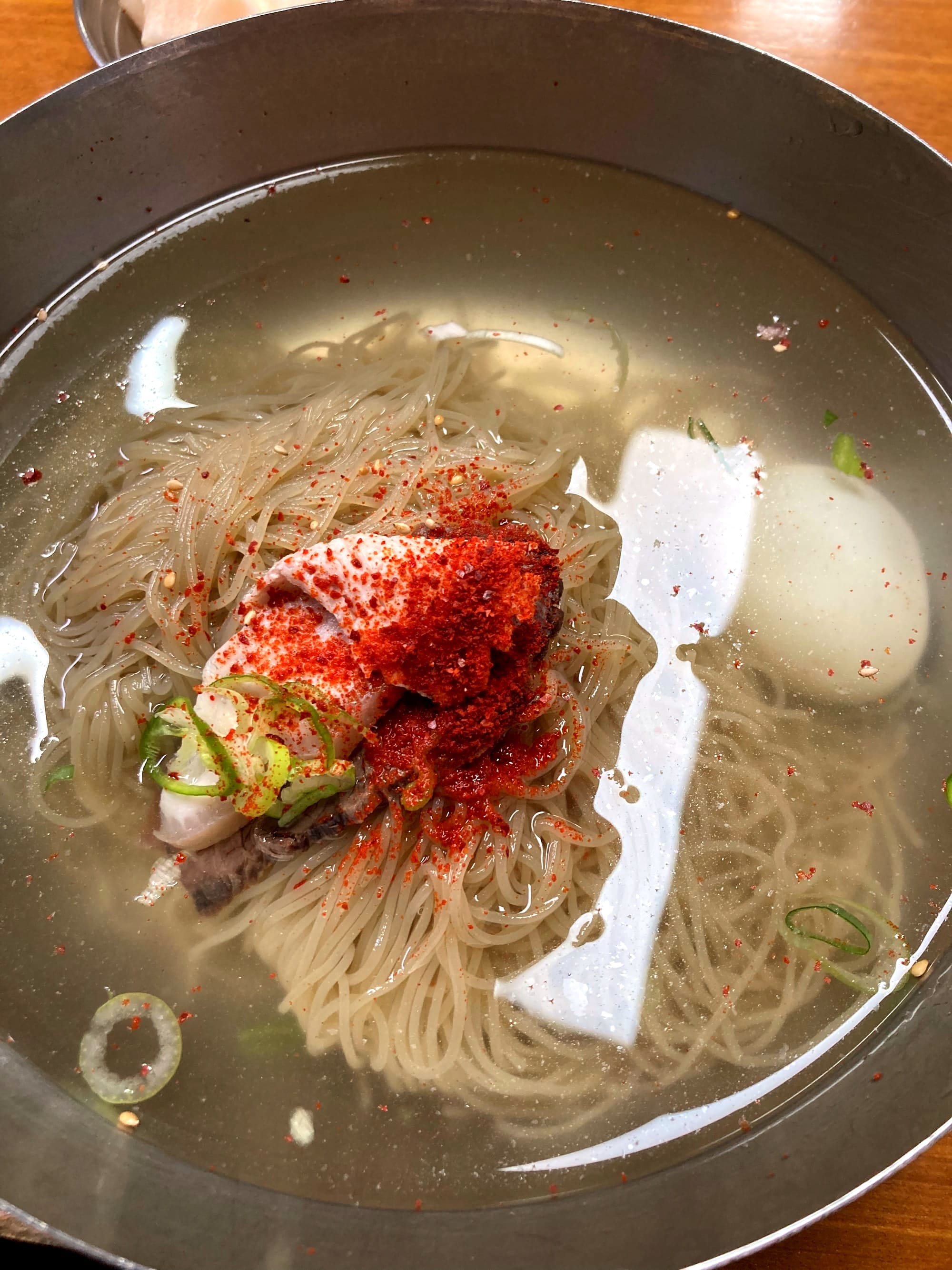
The truth is I sometimes fear if we will find enough content to keep Zuihitsu going long term. It’s not easy to find the enchanted within our quite disenchanted everyday lives. I like to think I am adept at observing the extraordinary in the ordinary, but they are also long stretches where I cannot see beyond mundanities and the list of things I need to do. The world of tasks closes in and I find myself gulping down my cup of sencha, forgetting to savour its sweet umaminess; or,
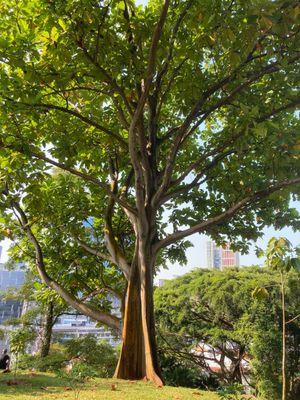
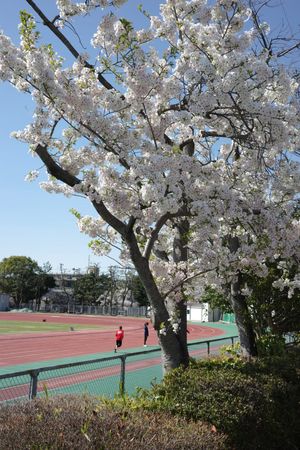
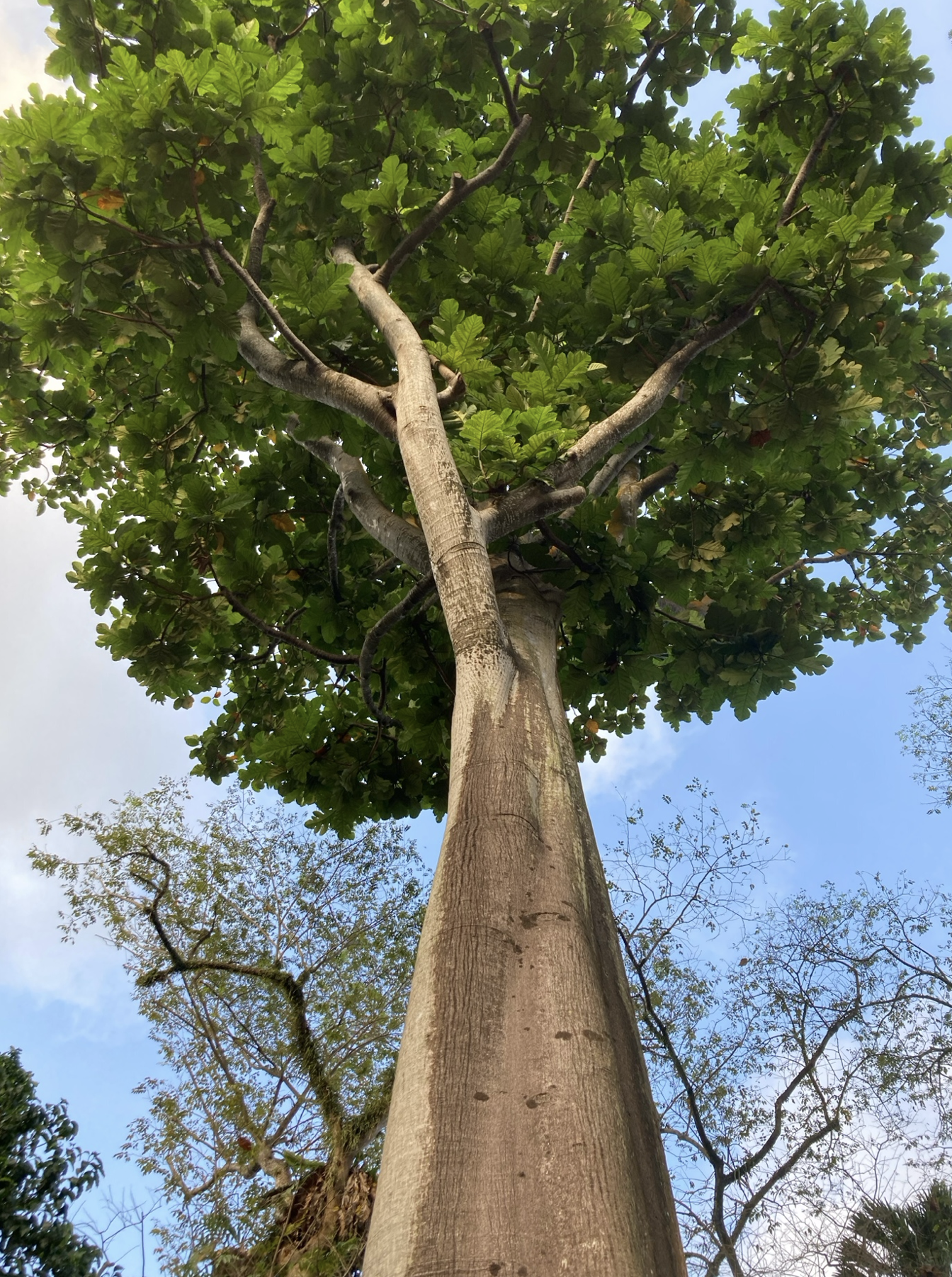
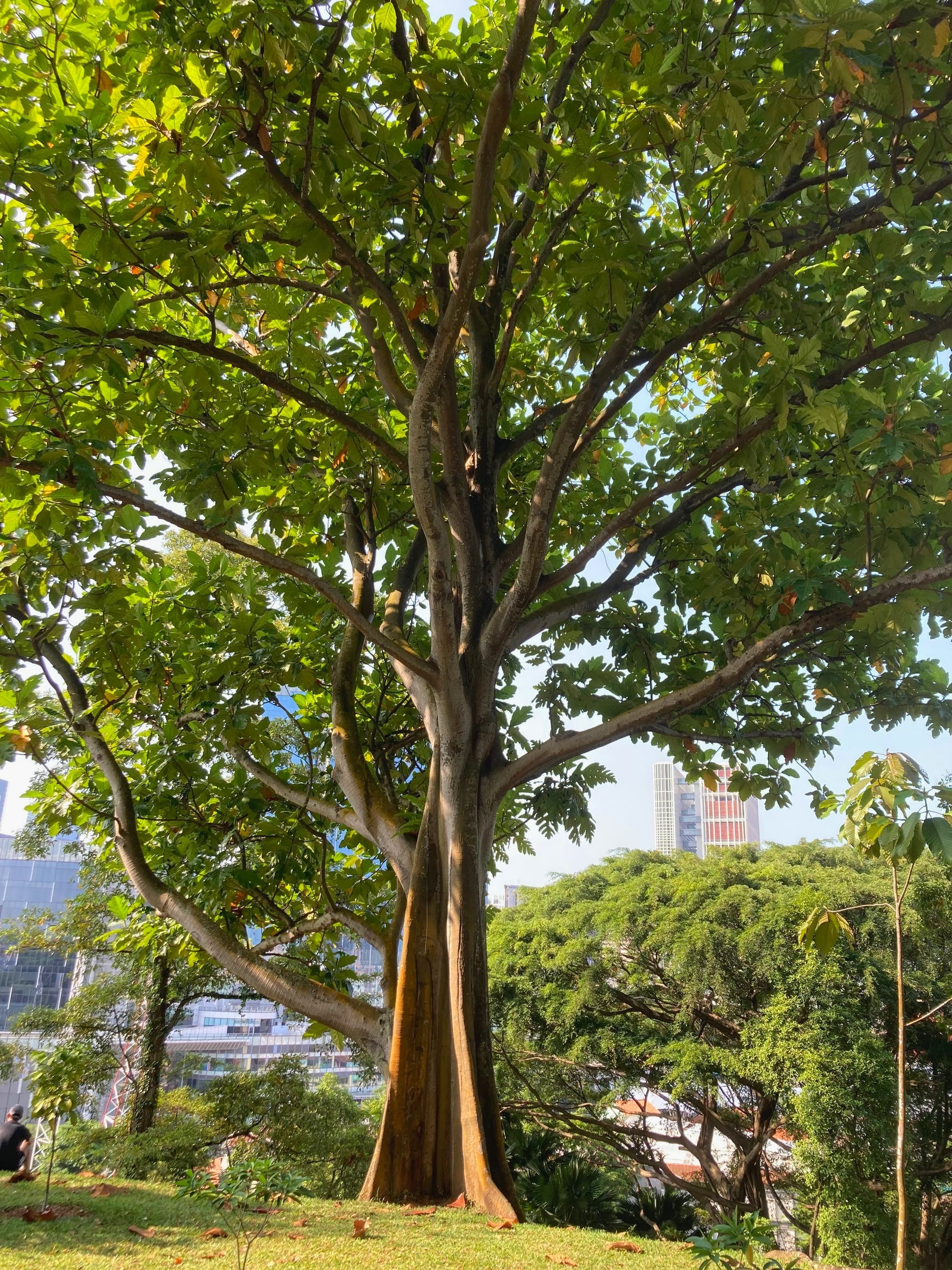
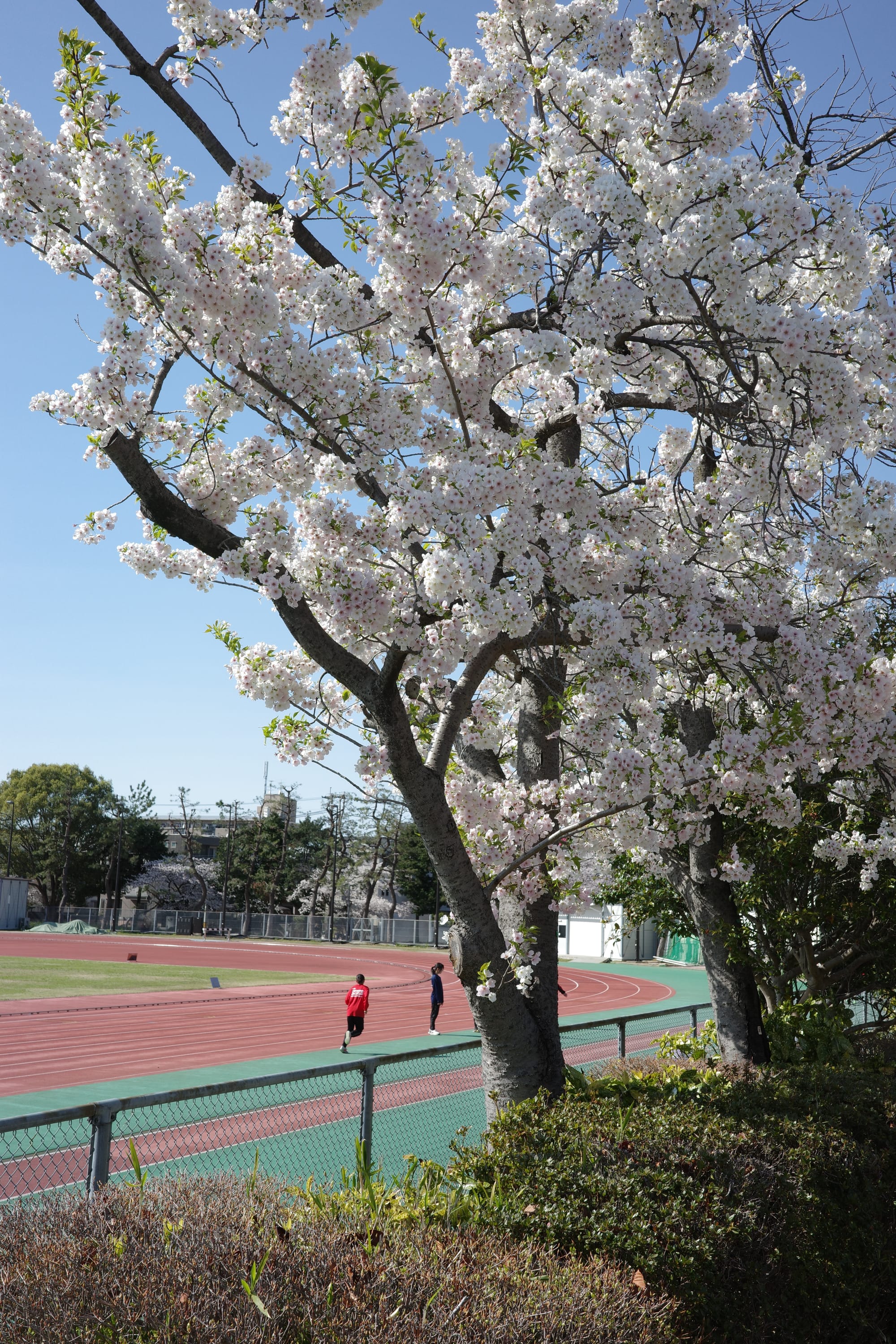
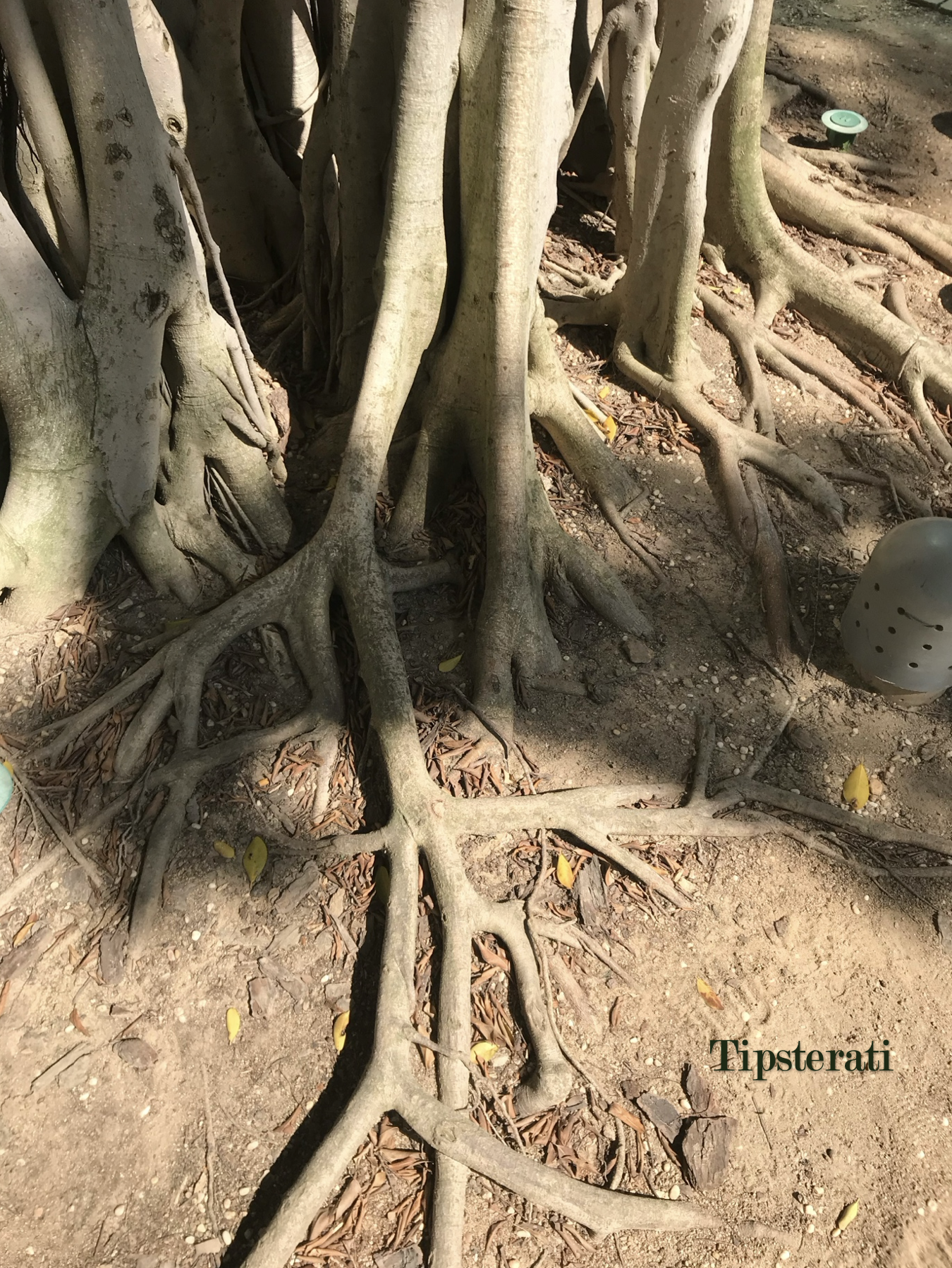
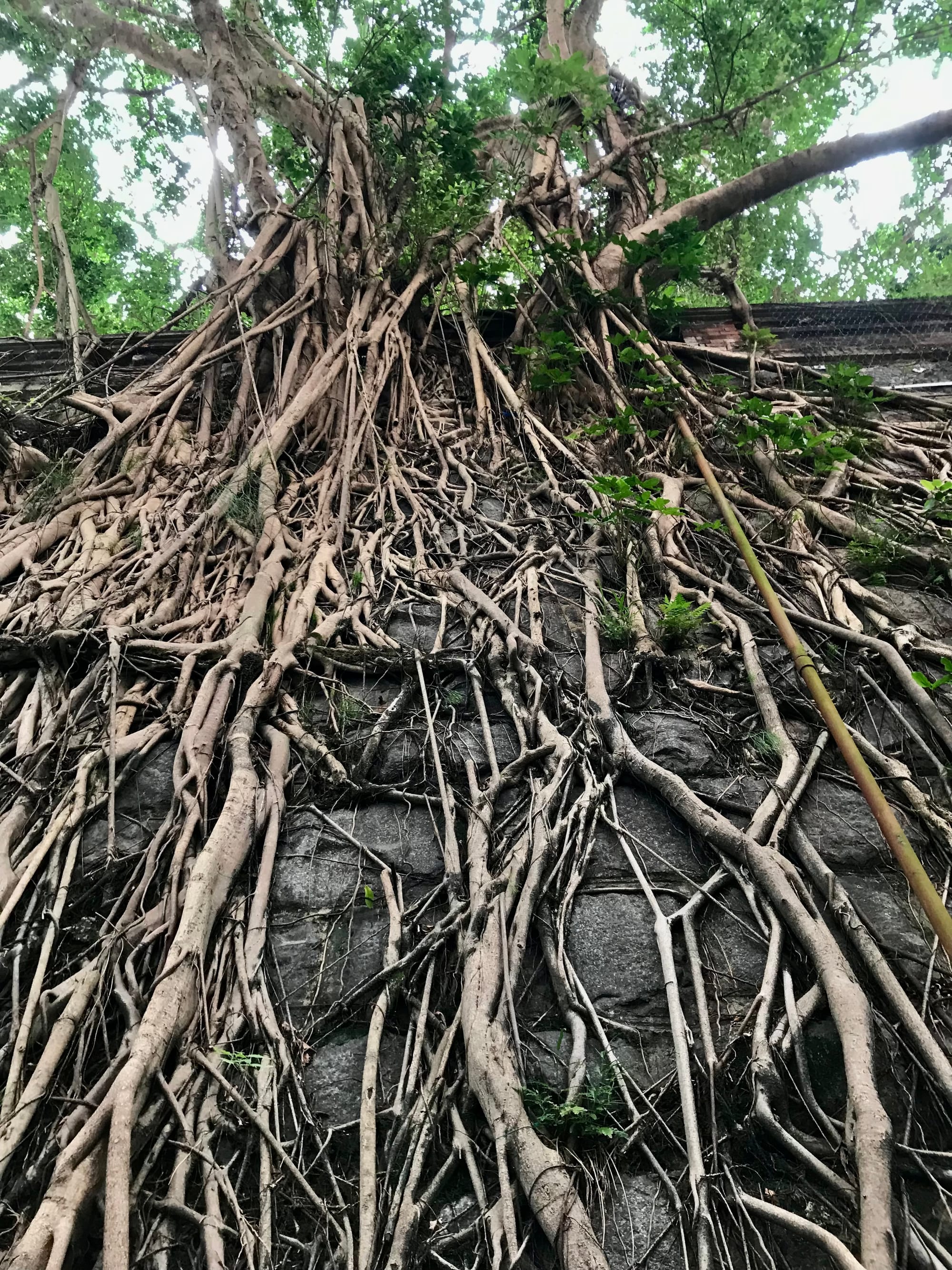
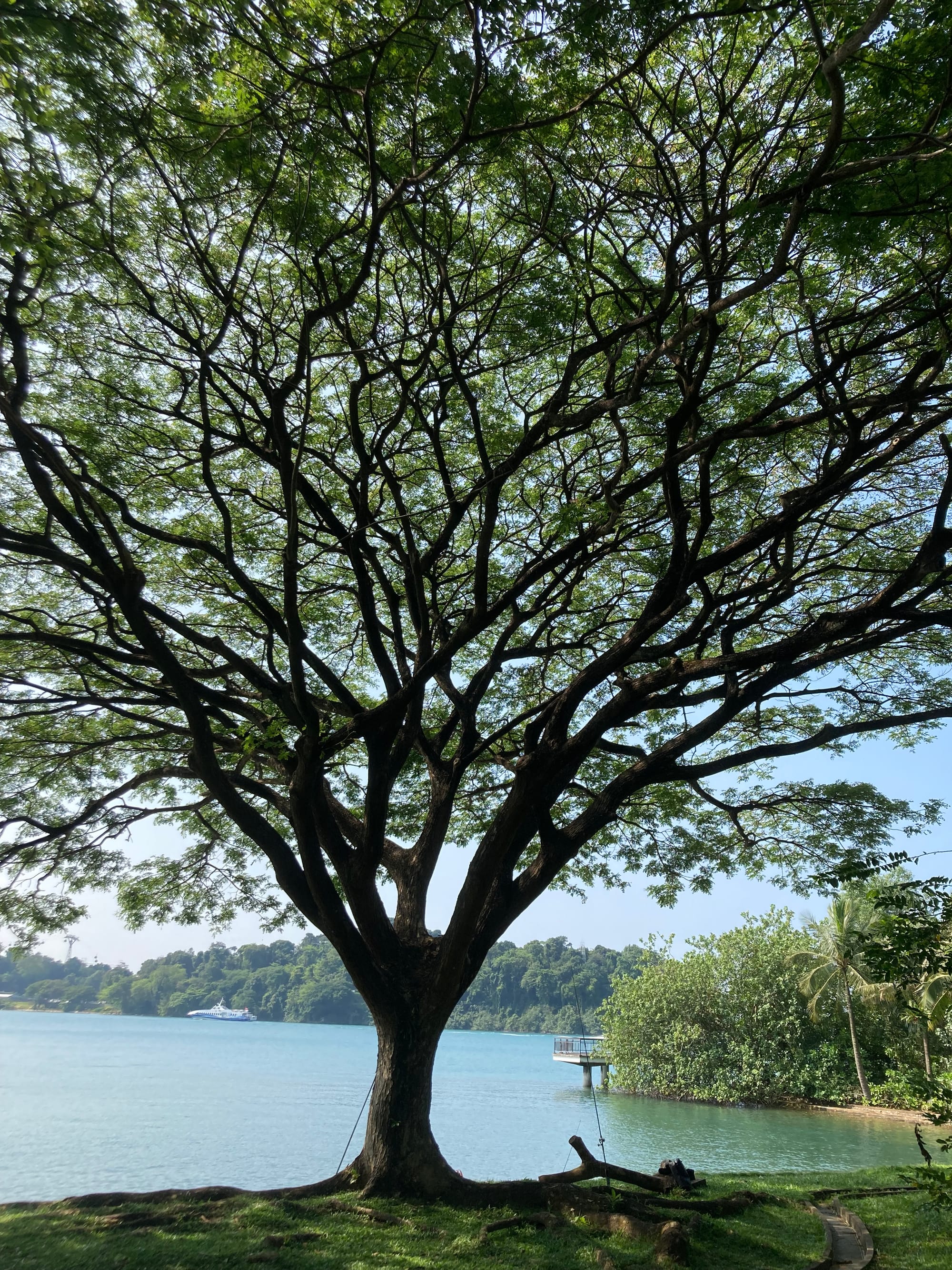
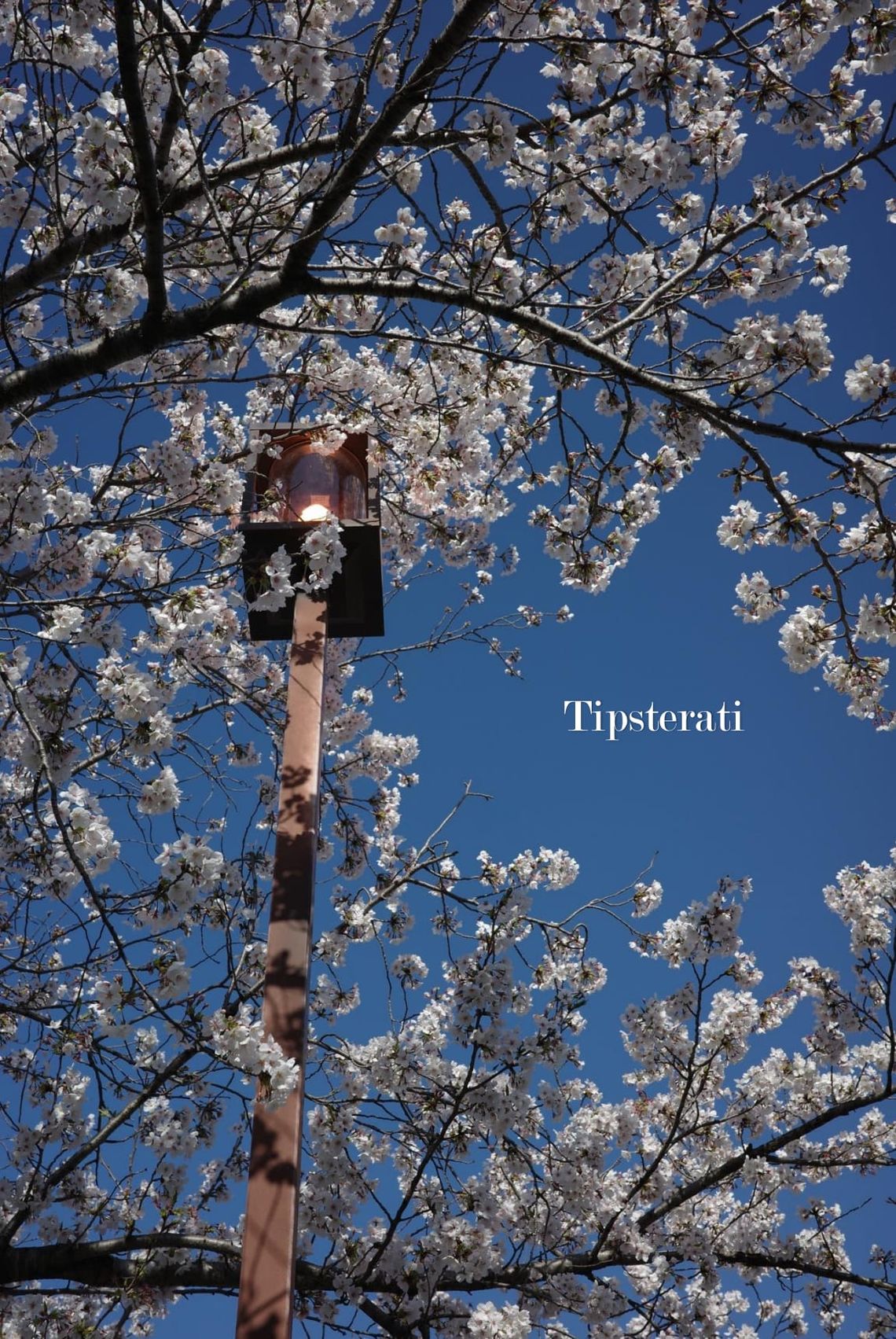
because I need to hurry along to the supermarket before it gets too late to cook dinner, I fail to admire a gorgeous tree in full flower. Worst of all is when I become too frantic ticking off my to-do list to notice the small things. The melodious call of the black-naped oriole goes unheard; the baby in the subway carriage eager to engage with a stranger goes unseen.
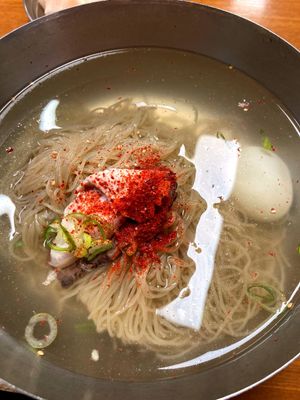
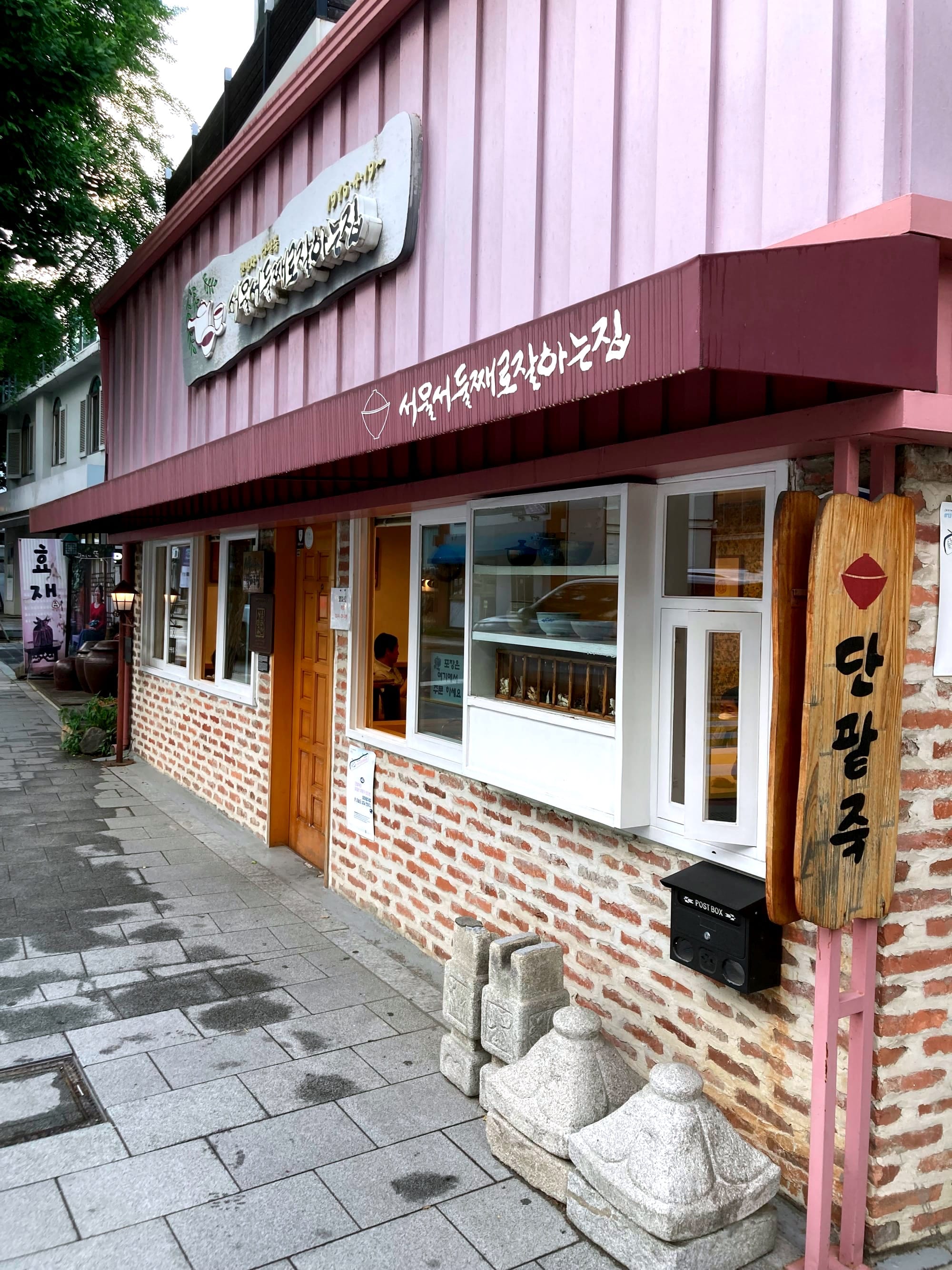
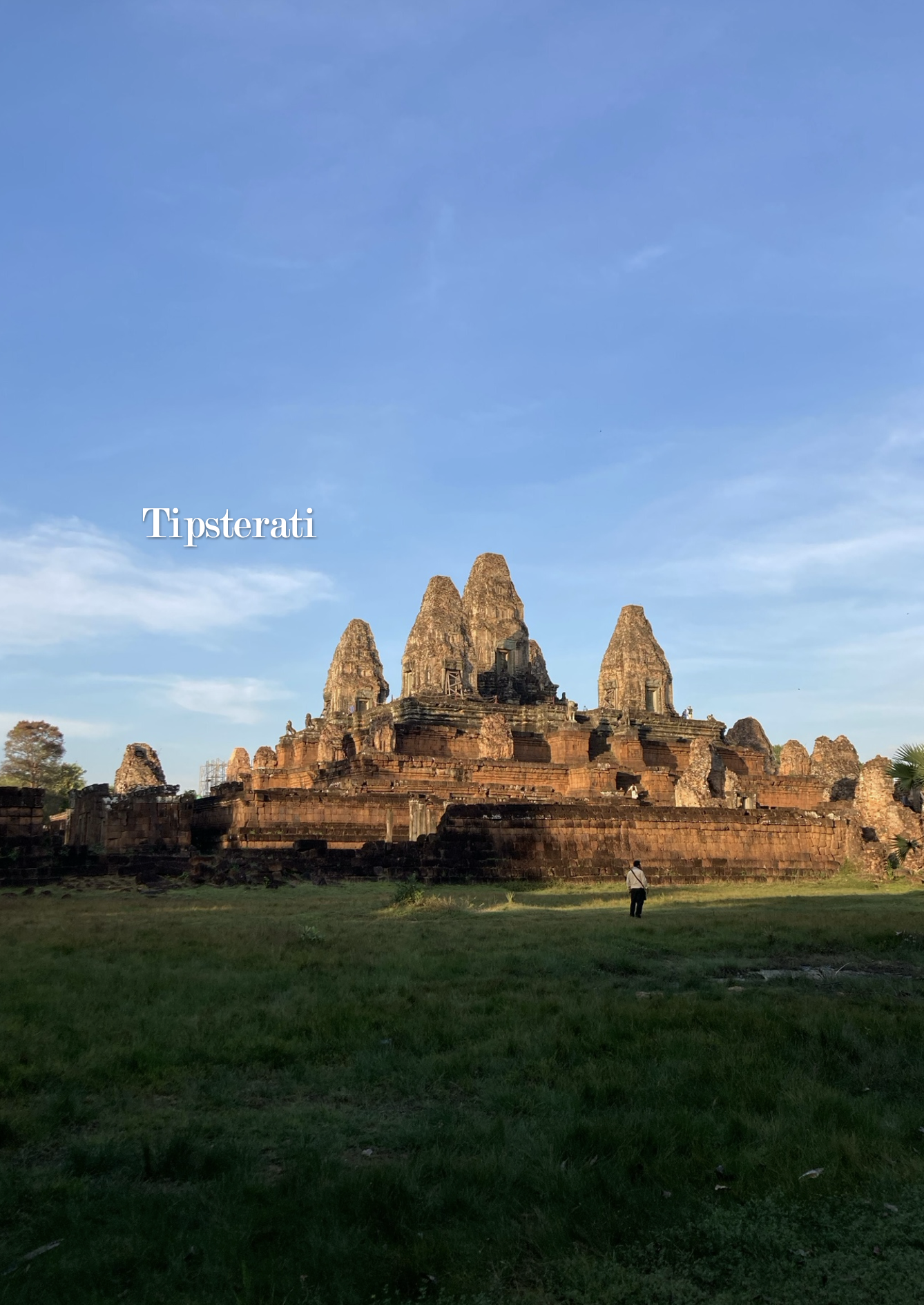
Sometimes it is tempting to think that travel is the answer. Travel helps us find the enchanted in our disenchanted lives. We eat delicious food we have no time to prepare for ourselves; we see overwhelming beauty we do not see on a daily basis. The difficulty is that the enchantment does not last. This is Agnes Callard’s complaint in her dour New Yorker piece: we travel to experience change but return home unchanged and pick up our lives again as if we had never been away. We’ve experienced some new things, but we have not been transformed by our experiences. Ross Douthat thinks this position ungenerous and proceeds to make a heartfelt case for small transformations that, minuscule though they might be, still matter. I agree with Douthat; the fragmentary moments of awe that travel can inspire are crucial in recalibrating us, reminding us that we are not automatons but people, receptive to glory, deserving of joy. This is why so many of us love to travel: amidst the stresses that the logistics of a journey can create—tedious airport security, navigating a city without speaking the language, messing up and taking the wrong train or bus, the frustration of getting to a place late and finding it closed—we are allowed to be as curious as newborns and as playful as children. Travel can be liberating, a much-needed release valve, before we return to our adult responsibilities, to a working life that cramps and deforms us. So, nothing has changed? No, something has, because we wouldn’t have been able to continue in our regular lives without that break.
Our everyday lives dull us. Travel abroad sharpens us afresh. The challenge, however, remains how to imbue an ordinary day with the wonder of the first day in a foreign country.