Kikanbo
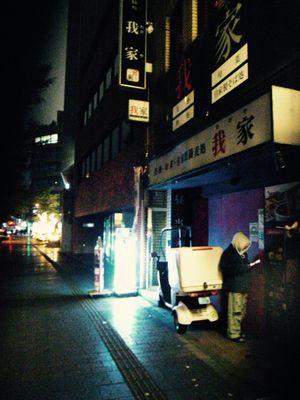
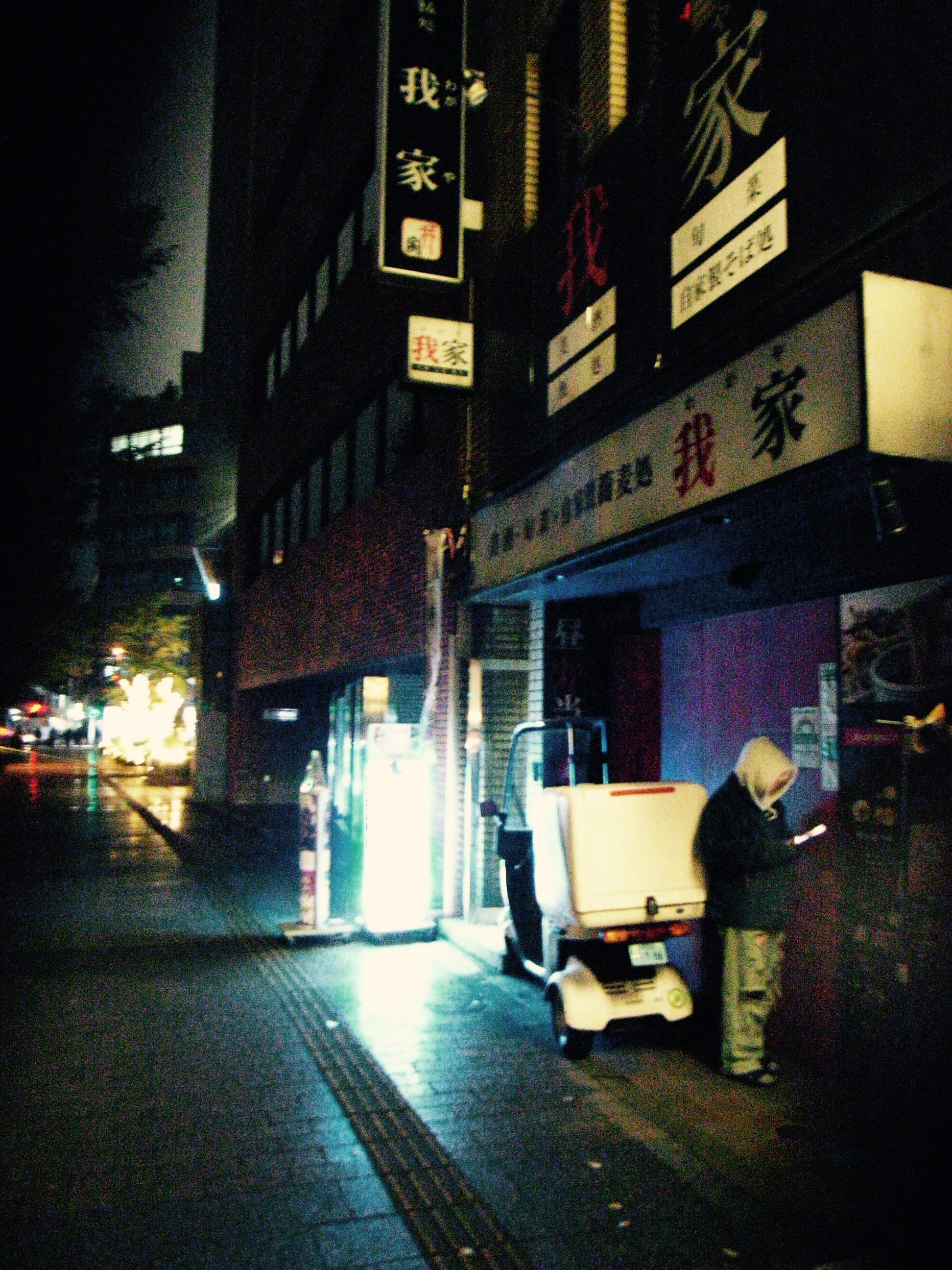
It is a grey drizzly late afternoon when I arrive at Kikanbo, a famous ramen shop in Kanda. I am elated to find a queue much smaller than expected, until I catch sight of the full line of customers that continues across the street. Sheepishly I join it. Just in front of me is a Japanese man with a determined air, gripping a small wheelie suitcase; several places behind me, a group of American vloggers in their early 20s are pattering about their tolerance for spice. We are mostly destination diners eager to find out how hot the nation’s hottest ramen really is. A strong smell of roasted pork, a little gamey, pervades the block.
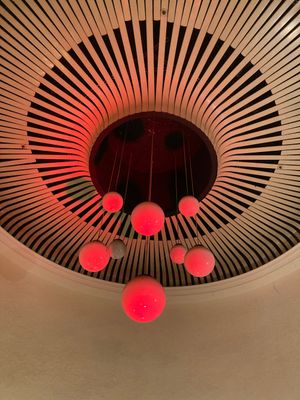
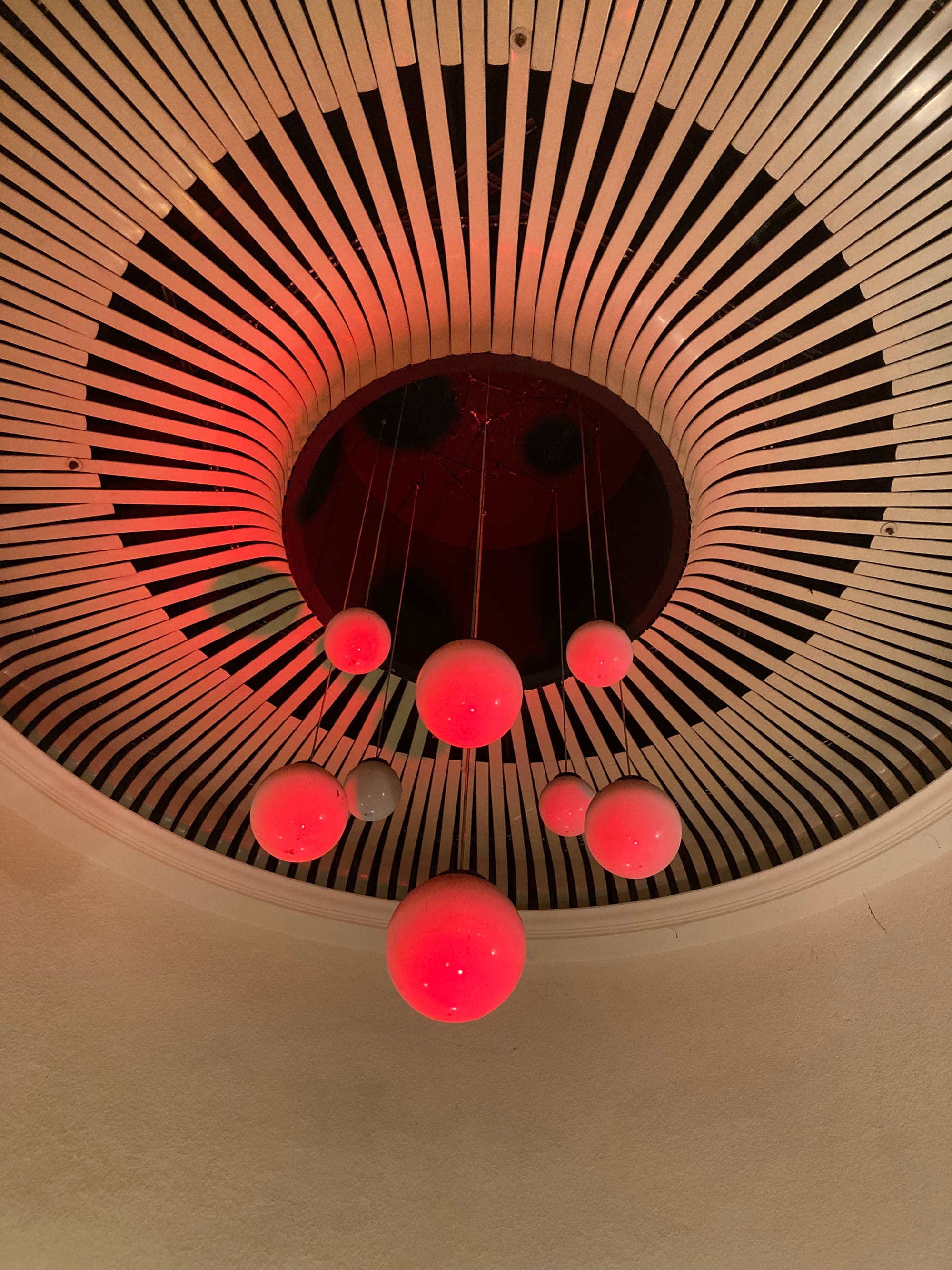
One step inside and the outer world vanishes. Theatrical black swallows the pewter sky and Tokyo city street. It is dark, hot, and fume-filled, as though a smoking grill had become incense. The soundtrack of a primal drumbeat raises your pulse. The chefs assemble the bowls as an ensemble with a fiendish focus. They must get it right; the concoction must have its effect on you.
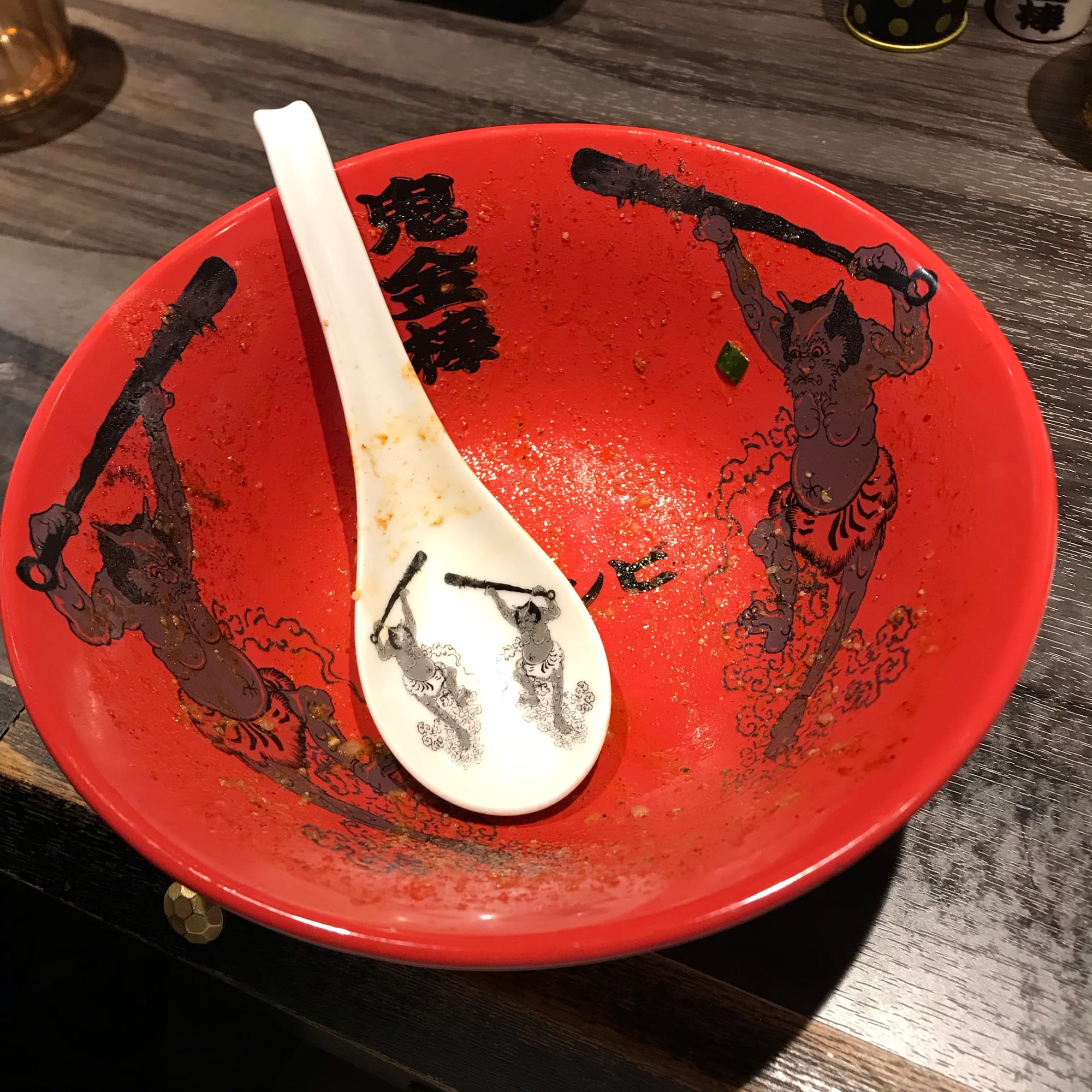
You are supposed to be in jigoku, or Japanese Buddhist hell. One travel writer described the atmosphere as “festive demonic kitsch.” Perhaps the decor is a touch arch, yet the mood does not feel gimmicky, as if it were all some capsaicin cosplay. The staff are serious, even when refilling an empty water pitcher. Waiting for my order to arrive, I look around to see other diners’ reactions. Why are everyone's forearms sweating?
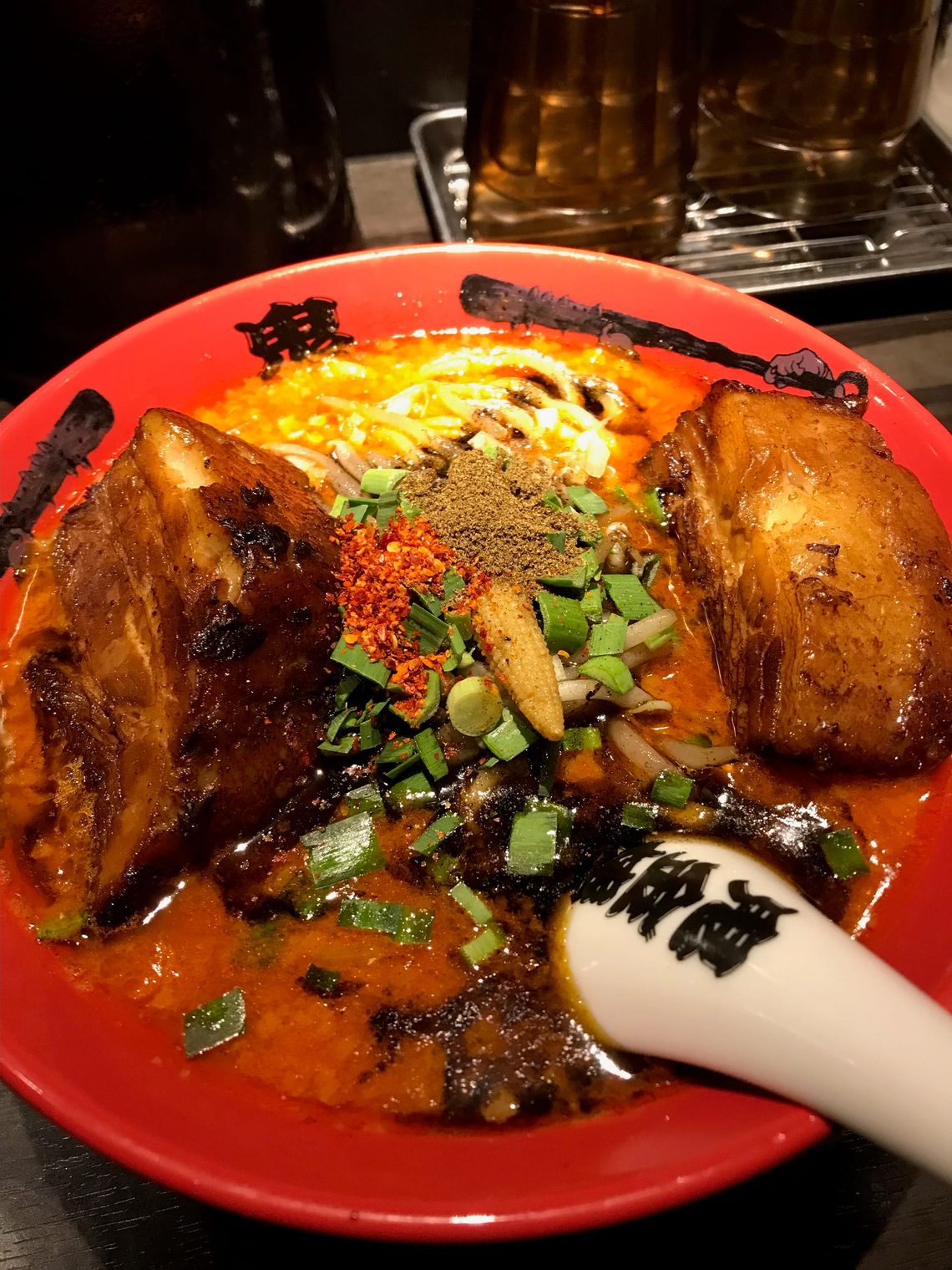
I have selected the ‘high’ spice level (4 out 5 tōgarashi (唐辛子), a red chilli pepper, and 4 out of 5 sansho (山椒), a green peppercorn). The first few spoonfuls are indeed spicy and the scalding heat of the soup amplifies it. What is the feeling of eating very spicy food? To some, it is simply unpleasant: little devils jabbing your tongue with cocktail pitchforks; sharp, pungent heat enveloping your mouth. The neural anodynes that are supposed to come to the rescue, endorphins and dopamine, never show up. For others, perhaps, a hot pepper presents only a modicum of pain to their robust natural tolerance; or the flavour—fruity, grassy, or smoky—provides a strong countermeasure of pleasure. Still for others maybe it proves a kind of meaningful sting, part of a cathartic experience—the gustatory equivalent of enjoying tragic drama. In certain cases, machismo or masochism cannot be ruled out.
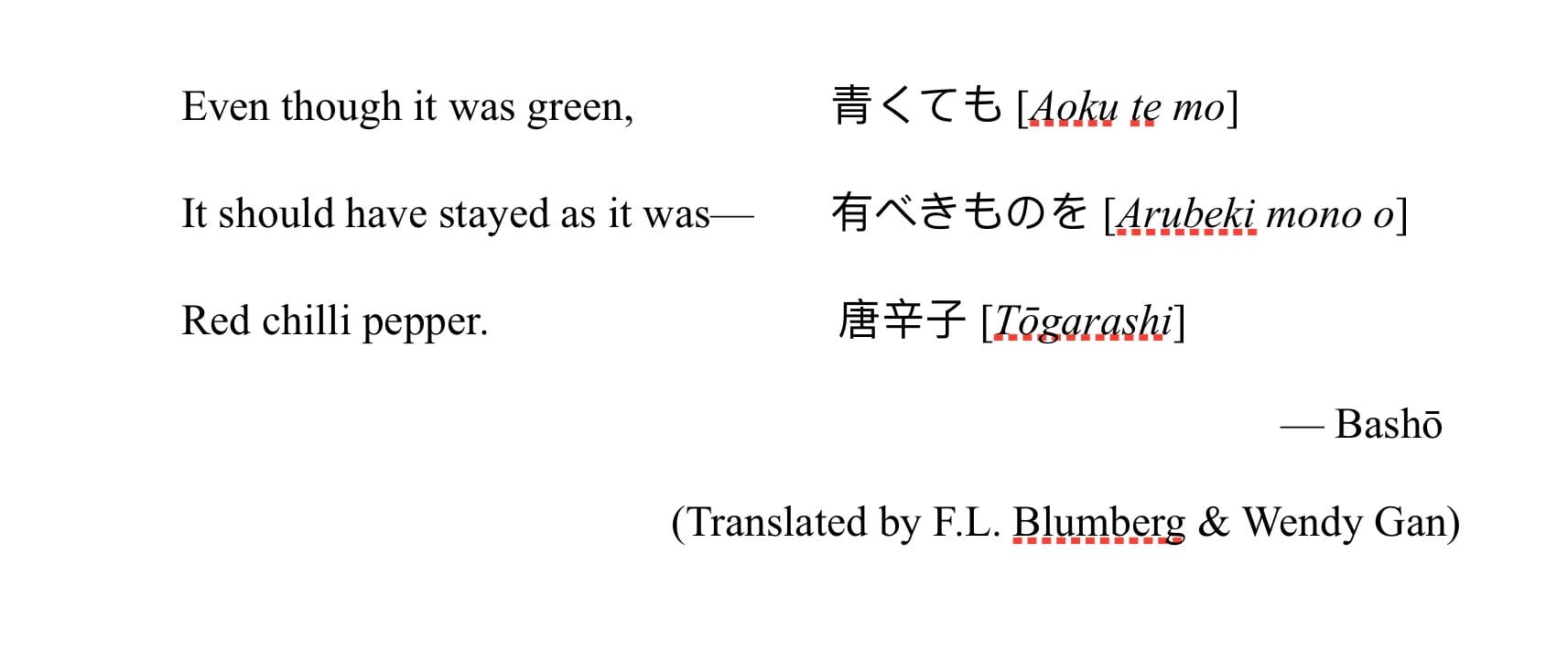
A peppery blaze creates a paradox: the palate is willing but the flesh is scorched. The drumbeat urges you on, though, and reminds you: this is a ritual. You have asked to know chilli, to let its spirit meet yours. While it can be painful, it is also life giving, awakening. It can make us recoil, then call us back for more. Conversely it can appeal to us, then keep us away. The poet Bashō recorded his painful attraction to a spicy capsicum:
A moment’s pause and some water restore calm to your tongue. Now it is time to dip the spoon back in the broth, a combination of sundry elements: red and white miso along with pork, chicken, vegetable, and seafood stocks, as well as chilli oils laced with sansho and ripe Szechuan peppers. It is complex but also so well blended and savoury that no one flavour spikes on the palate. Level 4, while certainly zesty and quite possibly outrageous, I would imagine, for most Japanese palates, ultimately will not prove terribly formidable to thrill-seeking chilliheads. But, by all accounts, there is a substantial leap to level 5, the realm of the oni (demons). Next time I will take it.
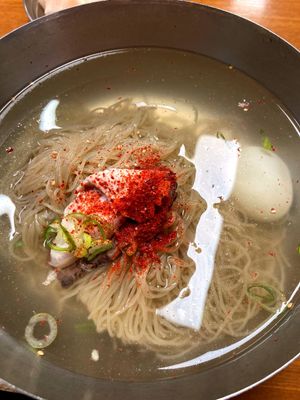
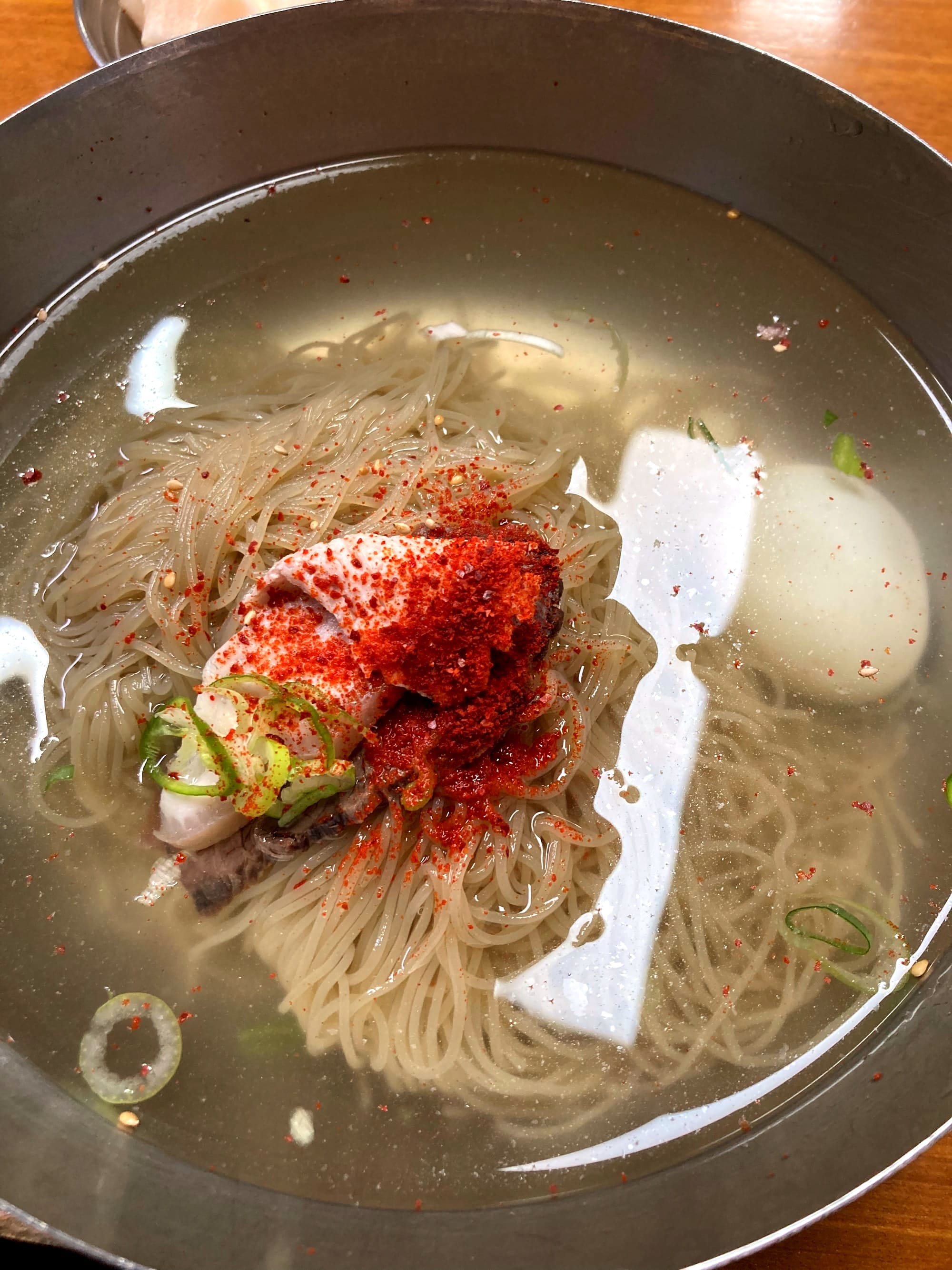
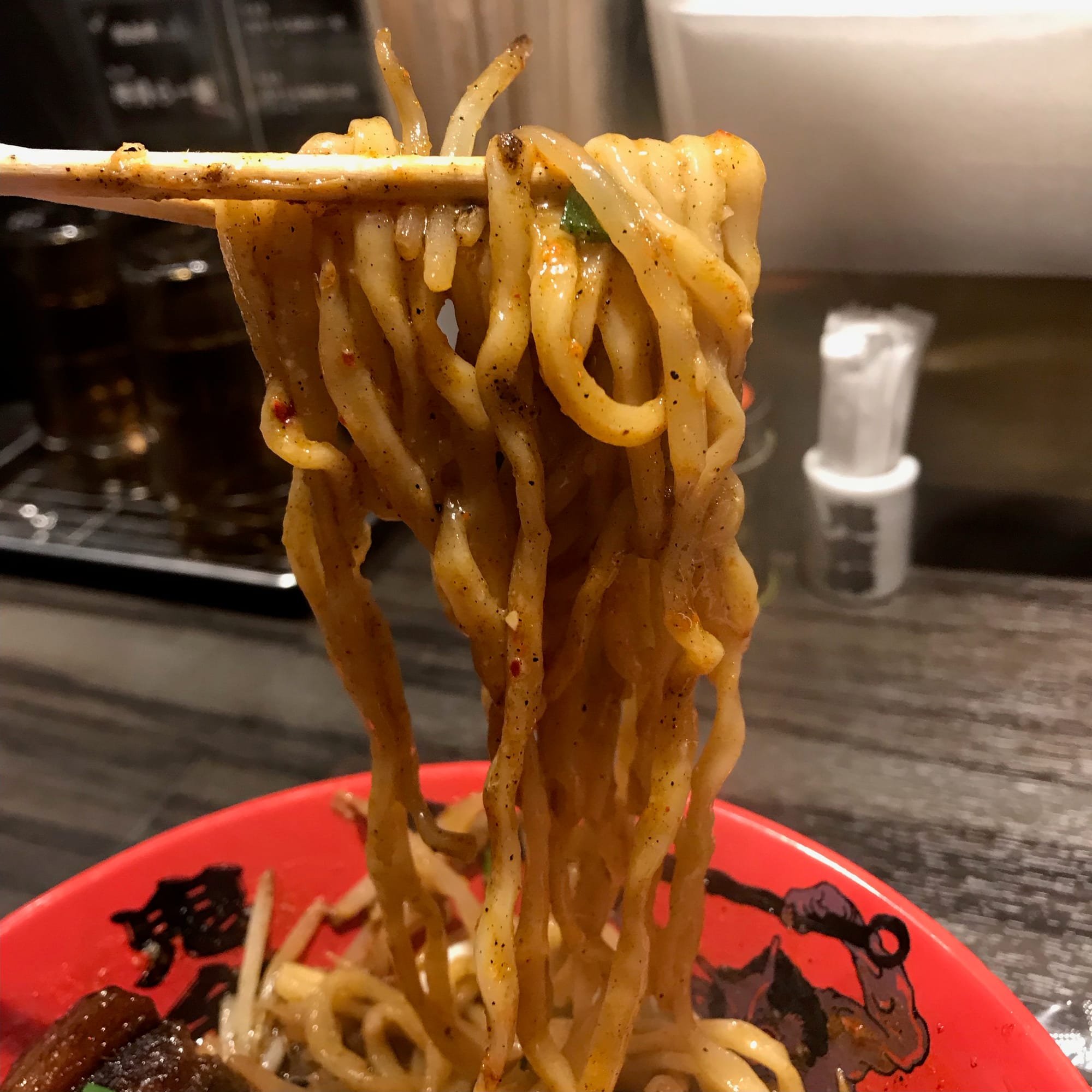
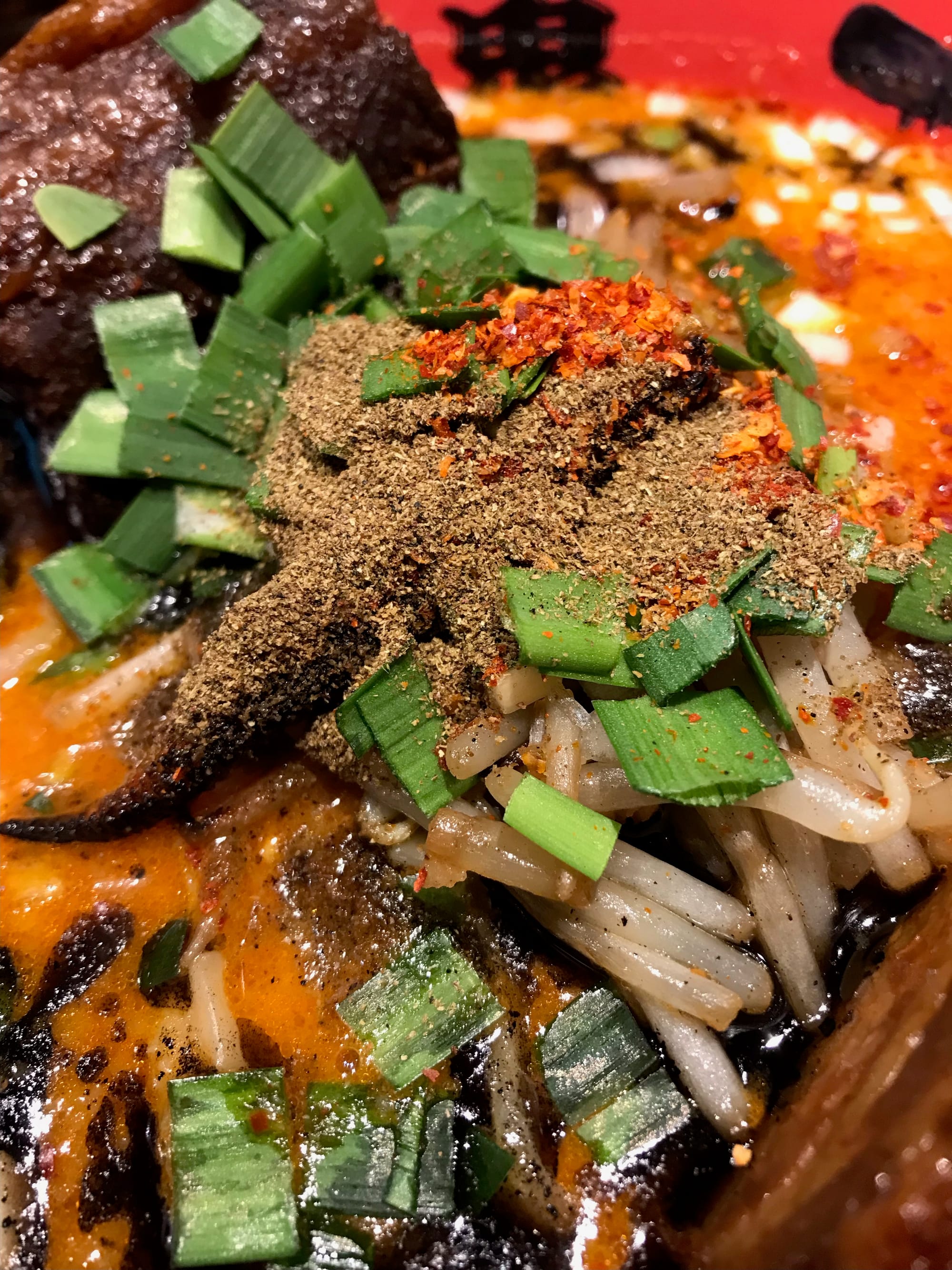
The spicy broth is not the only star of the bowl. The noodles, cut with a subtle wave, have a good bite. In the ‘double big pork ramen’ version, the char siu (roasted pork belly)—one piece leaner, the other fattier—touched with the essence of five-spice powder, is thick, tender, and satisfying. The solitary baby corn is no random garnish but a tidbit dusted with sansho powder and grilled to bring out the earthy depth of this usually zingy peppercorn.
©F.L. Blumberg 2026
While some might turn their noses up at a popular, higher priced ramenya that attracts tourists, I like the food here. And, truth be told, I found a nice momentary solidarity with those I encountered on their own pilgrimage of piquancy: a smiling thumbs-up from the Chinese woman sitting nearby, as we cool our tongues with a sip of water; a conversation at the ticket-vending machine with a man who wanted to check this place out, though ‘we have good ramen in Montreal.’ As he passed by my seat after having finished the meal, I asked whether he still thought Montreal’s ramen could compare. (It didn’t.)
I bonded briefly with the diner to the left of me (Indonesian, level 5) and the diner to the right of me (Japanese, level 3—the man with the wheelie suitcase, who, when we sat down next to each other, did me the unexpected courtesy of pouring water into my cup). The Indonesian gave up after half a bowl, the Japanese had three-quarters of his. As we were finishing up, the Indonesian asked me where I was from and soon a chat between the three of us began. All agreed the bowl was delicious. Everyone’s forearms were sweating. Our time in the temple of chilli and pork was nearing its end. Initiates into its mysteries, we walked out into light summer rain, brightened by the gloaming.